
Understanding the Basics of Solar PV Systems
Solar PV systems allow homeowners to generate clean electricity from sunlight. Learn how solar technology works and why more homes across Bristol, Bath and the South West are making the switch.

Why you can trust our content
We understand that the solar industry can be full of misinformation. That’s why all our guidance is based solely on reliable, verified sources, including:


At a glance
Solar photovoltaic (PV) systems have revolutionised how homeowners in the South West can generate their own clean electricity. As energy costs continue to rise and environmental concerns grow, more property owners in Bristol, Bath and surrounding areas are turning to solar technology to power their homes. Understanding the fundamentals of solar PV systems is essential for making informed decisions about renewable energy investments. This comprehensive guide will explore the core components, technology practical aspects of solar PV systems to help you determine if solar energy is right for your home.
How Solar PV Technology Functions
Solar PV systems convert sunlight directly into electricity through photovoltaic cells, typically made from silicon semiconductors. When sunlight hits these cells, it knocks electrons loose, creating an electrical current. This direct current (DC) electricity flows to an inverter, which converts it into alternating current (AC) electricity that powers your home’s appliances and lighting. The entire process is silent, requires no moving parts and produces clean electricity throughout the day. Modern solar panels can generate electricity even on cloudy days, though peak production occurs during sunny conditions.
Key Components of Solar PV Systems
A complete solar PV system comprises several essential components working together. Solar panels, mounted on your roof or ground-based structures, contain the photovoltaic cells that capture sunlight. The mounting system securely attaches panels to your roof whilst maintaining proper positioning for optimal energy generation. Inverters convert the DC electricity from panels into AC electricity for household use. Monitoring systems track your energy production and consumption, helping you understand your system’s performance. Many modern installations also include battery storage systems, allowing you to store excess energy for use during evening hours or power cuts.
Installation Considerations for Homes in the South West
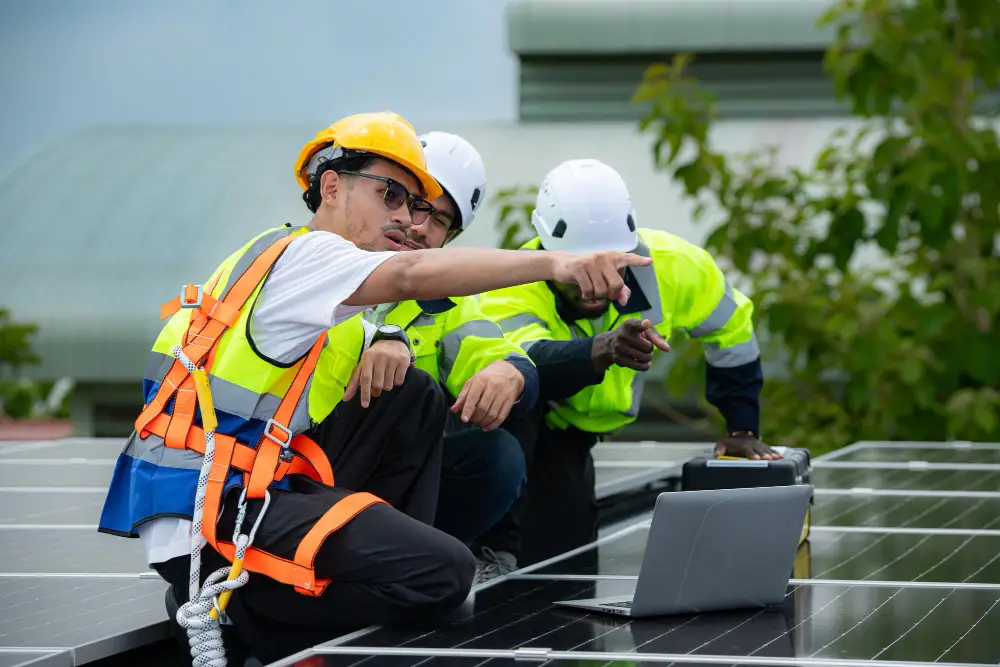
Before installing solar PV systems, several factors determine suitability and performance. Roof condition must be structurally sound to support panel weight and mounting systems. South-facing roofs typically provide optimal energy generation, though east and west-facing installations can still be highly effective. Shading from trees, buildings, or chimneys can significantly impact performance, requiring careful site assessment. Local planning regulations may apply, particularly for listed buildings or conservation areas. Professional installers conduct detailed surveys to assess these factors and design systems that maximise energy generation whilst complying with UK building regulations and safety standards.
Great! Now select the type of property
Detached House
Semi Detached House
Terraced House
Flat / Apartment
Bungalow
It just takes 60 Seconds
And then you can book a free consultation
Related articles


Detached House
Semi Detached House
Terraced House
Flat / Apartment
Bungalow
At a glance
Solar photovoltaic (PV) systems have revolutionised how homeowners in the South West can generate their own clean electricity. As energy costs continue to rise and environmental concerns grow, more property owners in Bristol, Bath and surrounding areas are turning to solar technology to power their homes. Understanding the fundamentals of solar PV systems is essential for making informed decisions about renewable energy investments. This comprehensive guide will explore the core components, technology practical aspects of solar PV systems to help you determine if solar energy is right for your home.
How Solar PV Technology Functions
Solar PV systems convert sunlight directly into electricity through photovoltaic cells, typically made from silicon semiconductors. When sunlight hits these cells, it knocks electrons loose, creating an electrical current. This direct current (DC) electricity flows to an inverter, which converts it into alternating current (AC) electricity that powers your home’s appliances and lighting. The entire process is silent, requires no moving parts and produces clean electricity throughout the day. Modern solar panels can generate electricity even on cloudy days, though peak production occurs during sunny conditions.
Key Components of Solar PV Systems
A complete solar PV system comprises several essential components working together. Solar panels, mounted on your roof or ground-based structures, contain the photovoltaic cells that capture sunlight. The mounting system securely attaches panels to your roof whilst maintaining proper positioning for optimal energy generation. Inverters convert the DC electricity from panels into AC electricity for household use. Monitoring systems track your energy production and consumption, helping you understand your system’s performance. Many modern installations also include battery storage systems, allowing you to store excess energy for use during evening hours or power cuts.
Installation Considerations for Homes in the South West
Before installing solar PV systems, several factors determine suitability and performance. Roof condition must be structurally sound to support panel weight and mounting systems. South-facing roofs typically provide optimal energy generation, though east and west-facing installations can still be highly effective. Shading from trees, buildings, or chimneys can significantly impact performance, requiring careful site assessment. Local planning regulations may apply, particularly for listed buildings or conservation areas. Professional installers conduct detailed surveys to assess these factors and design systems that maximise energy generation whilst complying with UK building regulations and safety standards.